
Mining equipment operates under some of the harshest industrial conditions in the world. Extreme loads, shock impacts, abrasive dust, moisture, and continuous operation place enormous stress on bearing systems. Selecting the correct heavy duty bearing is essential for improving equipment reliability, reducing downtime, and extending service life.
This guide explains the key factors engineers and procurement teams should consider when selecting heavy duty bearings for mining equipment.
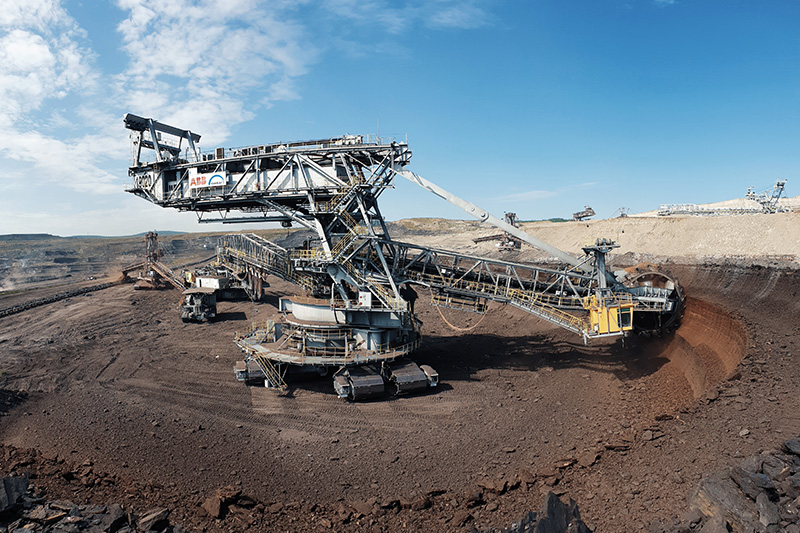
Why Bearings Matter in Mining Machinery
Bearings are critical components in mining systems because they support rotating shafts, reduce friction, and carry radial and axial loads. In mining operations, bearing failure can lead to:
- Unexpected equipment shutdowns
- Expensive maintenance costs
- Production delays
- Safety risks
- Damage to surrounding components
Proper bearing selection helps improve operational efficiency while lowering maintenance frequency.
Common Mining Equipment Using Heavy Duty Bearings
Heavy duty bearings are widely used in:
- Crushers
- Conveyor systems
- Vibrating screens
- Ball mills
- Excavators
- Bucket wheel reclaimers
- Gearboxes
- Feeders
- Stackers and reclaimers
Each application requires different bearing designs depending on load conditions and operating environments.
Key Factors When Selecting Heavy Duty Bearings
1. Load Capacity Requirements
Mining equipment often experiences extremely high radial loads and intermittent shock loads.
Engineers must evaluate:
- Dynamic load rating
- Static load rating
- Peak shock loading
- Combined axial and radial loads
For high-load applications, spherical roller bearings are commonly preferred because they provide:
- High radial load capacity
- Excellent shock resistance
- Misalignment compensation
- Long service life
Understanding Axial and Radial Loads
When selecting mining bearings, load direction is one of the most important considerations.
F=Fr2+Fa2
Where:
- Fr represents radial load
- Fa represents axial load
- F represents the combined equivalent load acting on the bearing
Applications such as conveyors and crushers often generate both axial and radial forces simultaneously.
2. Operating Environment
Mining environments are extremely aggressive. Bearings must withstand:
- Dust contamination
- Mud and slurry exposure
- Moisture
- High temperatures
- Corrosive conditions
Important features include:
- Multi-lip sealing systems
- Corrosion-resistant materials
- High-performance lubrication
- Hardened raceways
In contaminated environments, sealed spherical roller bearings can significantly improve reliability.
3. Bearing Type Selection
Different mining applications require different bearing designs.
| Bearing Type | Main Advantages | Typical Mining Applications |
|---|---|---|
| Spherical Roller Bearings | High load capacity and misalignment tolerance | Crushers, conveyors |
| Cylindrical Roller Bearings | High radial load support | Gearboxes, motors |
| Tapered Roller Bearings | Combined axial and radial load support | Wheel hubs, conveyors |
| Thrust Bearings | High axial load handling | Vertical shafts |
| Insert Bearings | Easy installation | Agricultural and light-duty systems |
4. Misalignment Compensation
Mining machinery frequently experiences shaft deflection and installation inaccuracies.
Spherical roller bearings are ideal because they automatically compensate for shaft misalignment.
This helps:
- Reduce vibration
- Minimize edge stress
- Improve bearing lifespan
- Lower maintenance frequency
5. Lubrication Requirements
Improper lubrication is one of the leading causes of bearing failure.
Mining bearings often require:
- Extreme-pressure grease
- Automatic lubrication systems
- High-temperature lubricants
- Water-resistant grease
Lubrication intervals should be adjusted based on:
- Operating temperature
- Rotational speed
- Dust exposure
- Moisture levels
Common Causes of Mining Bearing Failure
Contamination
Dust and abrasive particles can damage raceways and rolling elements.
Overloading
Excessive shock loads may cause premature fatigue and cracking.
Improper Installation
Incorrect mounting methods can create internal stress and reduce service life.
Insufficient Lubrication
Lack of lubrication increases friction and heat generation.
Misalignment
Poor shaft alignment accelerates uneven wear patterns.
How to Improve Bearing Service Life in Mining Equipment
To maximize bearing performance:
- Use proper sealing systems
- Select bearings with sufficient load ratings
- Perform regular vibration monitoring
- Maintain proper lubrication schedules
- Avoid improper installation practices
- Use high-quality bearing materials
Predictive maintenance technologies such as vibration analysis and thermal monitoring can also help identify early signs of failure.
Benefits of Heavy Duty Spherical Roller Bearings
Heavy duty spherical roller bearings are widely used in mining because they offer:
- Exceptional load carrying capacity
- Resistance to shock and vibration
- Self-aligning capability
- Long operating life
- Reliable performance in harsh environments
These features make them one of the most suitable solutions for demanding mining applications.
Choosing a Reliable Bearing Supplier
When sourcing mining bearings, consider suppliers that provide:
- Custom bearing solutions
- Engineering support
- Material certifications
- Quality inspection reports
- OEM manufacturing capability
- Stable production capacity
Reliable suppliers can help reduce downtime and improve equipment reliability across mining operations.
Conclusion
Selecting the right heavy duty bearings for mining equipment requires careful consideration of load conditions, environmental factors, lubrication requirements, and bearing design.
Spherical roller bearings remain one of the most effective solutions for mining machinery because of their ability to handle high loads, shock impacts, and shaft misalignment in harsh operating environments.
By choosing suitable bearing solutions and implementing proper maintenance practices, mining operators can significantly improve equipment reliability, reduce maintenance costs, and extend operational lifespan.