Bearing Selection Guide

Axial vs Radial Load: Understanding Bearing Load Types

In industrial machinery, bearings rarely operate under a single type of force. Instead, they are exposed to a combination of axial loads and radial loads, often simultaneously. Understanding the difference between these two load types is essential for correct bearing selection, reliable machine design, and long service life. Misjudging load direction is one of the […]

Axial vs Radial Load: Understanding Bearing Load Types Read More »
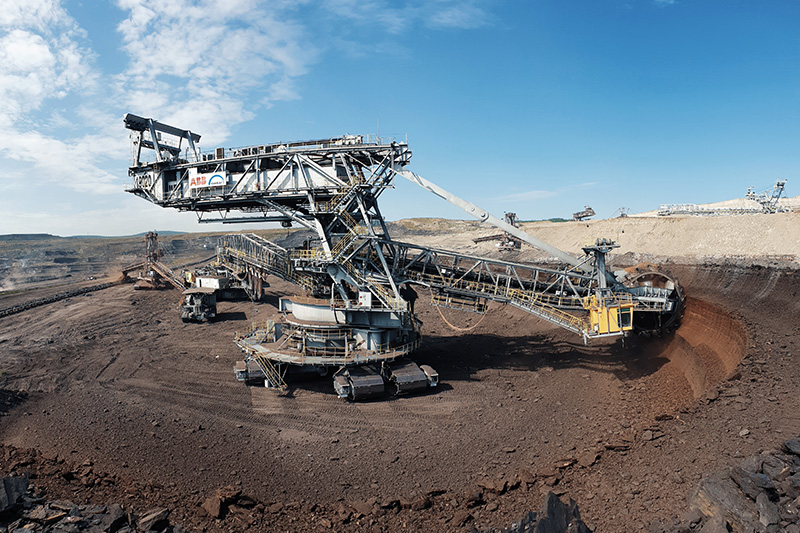
How to Select Heavy Duty Bearings for Mining Equipment

Mining equipment operates under some of the harshest industrial conditions in the world. Extreme loads, shock impacts, abrasive dust, moisture, and continuous operation place enormous stress on bearing systems. Selecting the correct heavy duty bearing is essential for improving equipment reliability, reducing downtime, and extending service life. This guide explains the key factors engineers and

How to Select Heavy Duty Bearings for Mining Equipment Read More »

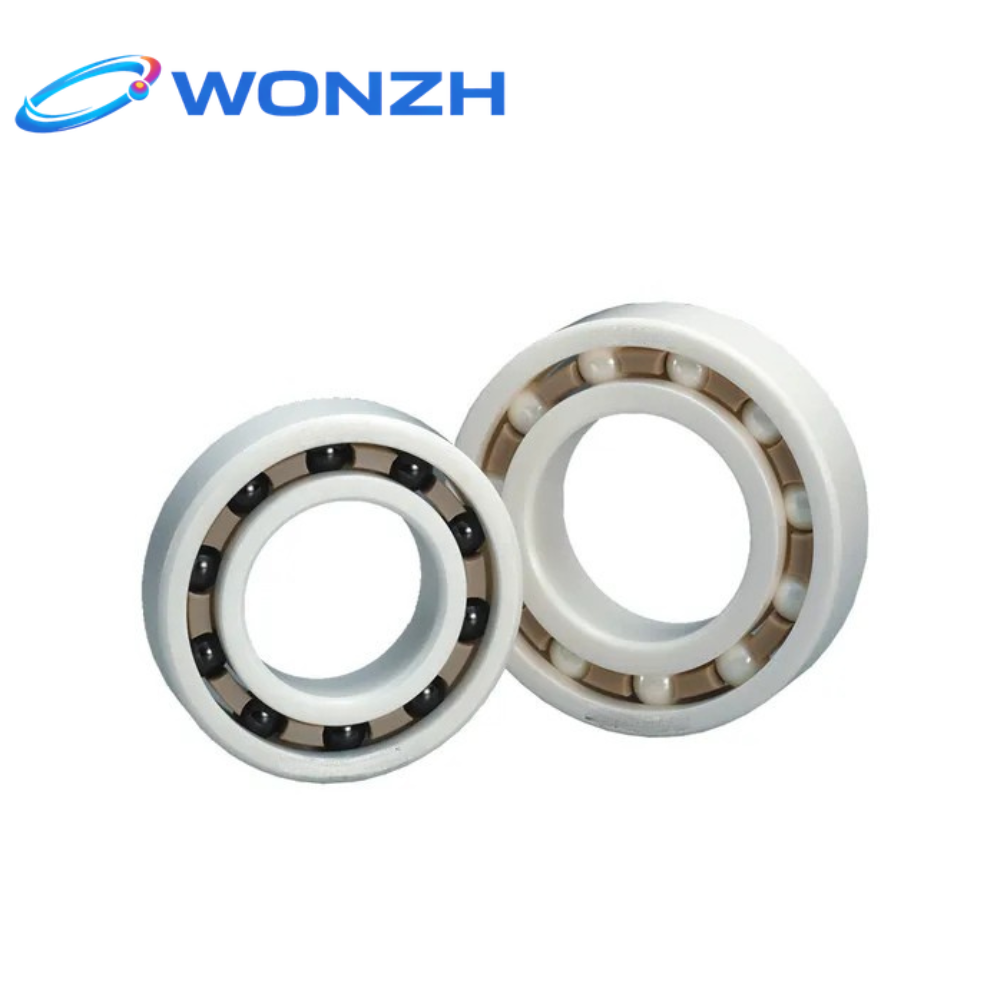
High Temperature Resistance of Ceramic Bearings in Industrial Systems

In modern industrial environments, many mechanical systems operate under extreme thermal conditions. Equipment such as steel production machinery, aerospace components, chemical processing systems, and high-speed electric motors often face continuous exposure to elevated temperatures. In such demanding conditions, conventional steel bearings can suffer from thermal expansion, lubrication breakdown, oxidation, and reduced mechanical strength. Ceramic bearings,

High Temperature Resistance of Ceramic Bearings in Industrial Systems Read More »

Low-Noise and Low-Vibration Bearing Selection for Precision Equipment

In semiconductor lithography, optical scanning, metrology spindles, and medical centrifuges, bearing-induced vibration or acoustic noise can render an entire system unviable. A 3 dB increase in background hum from a cooling fan may be tolerable, but a single micrometer of spindle displacement or a high-frequency squeal originating from a bearing raceway can compromise wafer patterning, ruin

Low-Noise and Low-Vibration Bearing Selection for Precision Equipment Read More »

Radial Load vs. Axial Load: Matching Bearing Type to Force Direction

In any rotating machinery, forces rarely act purely in one direction. A pump impeller pushes fluid axially while supporting the shaft weight radially; a helical gear transmission generates both separating and thrust forces; a vehicle wheel bearing must absorb cornering thrust alongside the weight of the chassis. Failing to correctly characterise these forces—and to select

Radial Load vs. Axial Load: Matching Bearing Type to Force Direction Read More »

How to Select the Right Bearing: A Step-by-Step Guide

Selecting the right bearing is a critical engineering decision that directly influences machine performance, reliability, and total cost of ownership. An undersized bearing fails prematurely under excessive load; an oversized one wastes energy and inflates initial cost. This step-by-step guide distills the selection process into a logical workflow based on established ISO standards and practical

How to Select the Right Bearing: A Step-by-Step Guide Read More »