
Bearings are essential components in heavy machinery, supporting rotating shafts while reducing friction and carrying both radial and axial loads. In industries such as mining, construction, material handling, and manufacturing, bearing failure can lead to costly downtime, reduced productivity, and severe equipment damage.
Understanding the common causes of bearing failure helps maintenance teams and engineers improve equipment reliability, extend bearing service life, and reduce operational costs.
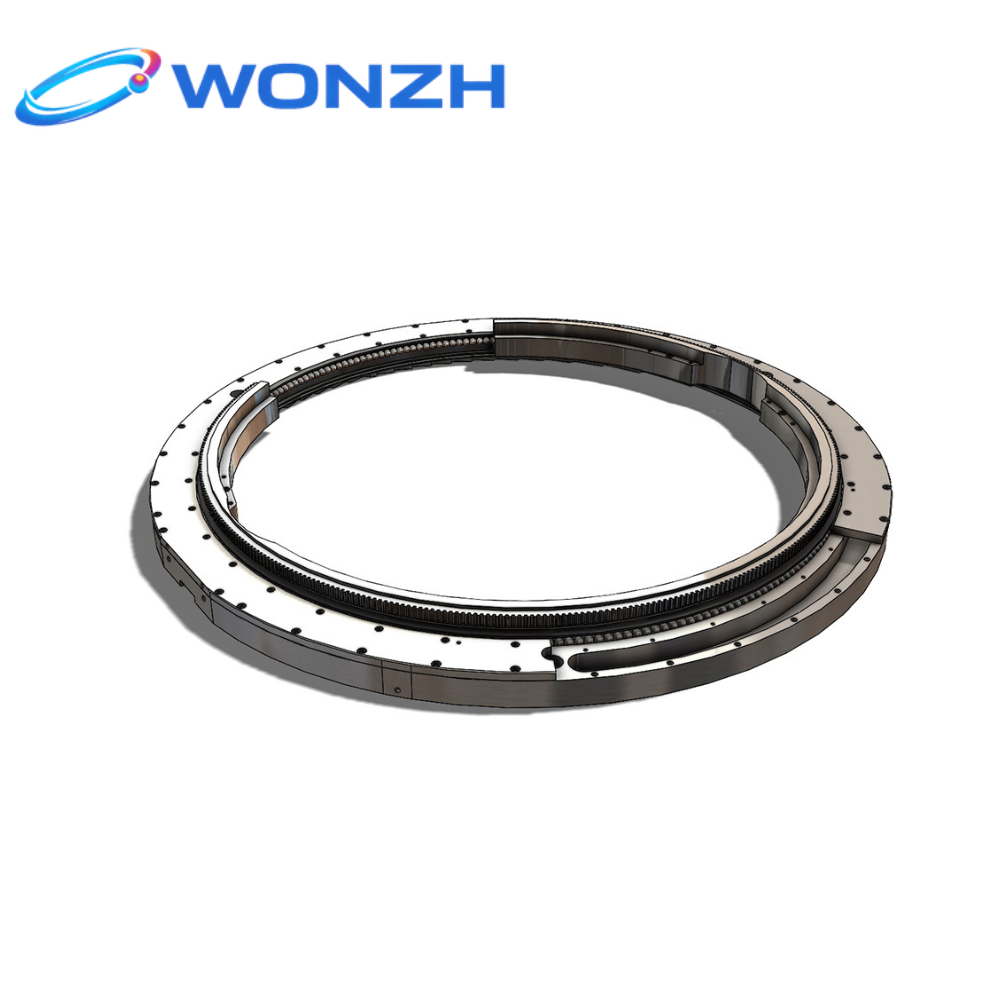
Why Bearing Failure Matters
Heavy machinery often operates under:
- High loads
- Continuous vibration
- Dust contamination
- Extreme temperatures
- Shock impacts
- Moisture exposure
Under these demanding conditions, even small installation or lubrication problems can quickly develop into major bearing failures.
The consequences may include:
- Unexpected equipment shutdowns
- Increased maintenance costs
- Reduced production efficiency
- Shaft and housing damage
- Safety hazards
1. Improper Lubrication
Improper lubrication is one of the leading causes of bearing failure in industrial machinery.
Bearings require sufficient lubrication to:
- Reduce friction
- Prevent metal-to-metal contact
- Minimize heat generation
- Protect against corrosion
Common lubrication problems include:
- Insufficient grease
- Excessive lubrication
- Incorrect lubricant type
- Contaminated lubricant
- Poor relubrication intervals
Excess heat caused by poor lubrication can rapidly damage rolling elements and raceways.
Signs of Lubrication Failure
- Overheating bearings
- Grease leakage
- Discoloration
- Increased vibration
- Unusual noise
2. Contamination
Dust, dirt, water, and abrasive particles are major threats to bearing performance, especially in mining and construction equipment.
Contaminants entering the bearing can cause:
- Surface wear
- Abrasive damage
- Corrosion
- Lubricant degradation
Mining machinery and conveyor systems are especially vulnerable due to harsh working environments.
Common Sources of Contamination
- Damaged seals
- Improper storage
- Dirty installation conditions
- Water ingress
- Poor maintenance practices
Using high-quality sealing systems and clean lubrication practices greatly improves bearing life.
3. Overloading
Heavy machinery bearings are designed with specific load ratings. When equipment exceeds these limits, premature fatigue failure may occur.
Overloading may result from:
- Excessive operational loads
- Shock impacts
- Improper bearing selection
- Uneven load distribution
- Machine imbalance
High-load conditions are especially common in crushers, vibrating screens, and excavators.
Understanding Bearing Load Stress
Bearing loads are commonly divided into radial and axial forces.
P=XFr+YFa
Where:
- Fr = radial load
- Fa = axial load
- P = equivalent dynamic bearing load
- X and Y = load calculation factors
Incorrect load calculations can lead to undersized bearings and early failure.
4. Misalignment
Shaft misalignment creates uneven stress distribution inside the bearing.
Common causes include:
- Improper installation
- Shaft deflection
- Housing inaccuracies
- Thermal expansion
- Machine foundation movement
Misalignment often leads to:
- Excessive vibration
- Edge loading
- Increased heat
- Premature fatigue
Spherical roller bearings are commonly used in heavy machinery because they can compensate for moderate shaft misalignment.
5. Improper Installation
Incorrect mounting methods frequently damage bearings before operation even begins.
Installation mistakes include:
- Hammering bearings into place
- Applying force to rolling elements
- Improper shaft fits
- Incorrect preload settings
- Using damaged tools
These practices can create microscopic cracks that later develop into fatigue failure.
Best Installation Practices
- Use proper mounting tools
- Follow manufacturer tolerances
- Heat bearings correctly when required
- Maintain clean installation conditions
6. Excessive Vibration
Heavy equipment often operates in high-vibration environments.
Continuous vibration may cause:
- Surface fatigue
- False brinelling
- Lubrication breakdown
- Increased noise
- Component loosening
Applications such as vibrating screens and crushers require specially designed heavy duty bearings with enhanced vibration resistance.
7. Corrosion and Moisture Damage
Water and corrosive chemicals can severely reduce bearing lifespan.
Corrosion commonly results from:
- Humid environments
- Chemical exposure
- Water ingress
- Improper storage
Corroded surfaces accelerate fatigue and wear.
Stainless steel bearing inserts and corrosion-resistant coatings can improve performance in wet or chemically aggressive environments.
8. Electrical Damage
In electric motors and industrial drives, stray electrical currents may pass through bearings.
This can create:
- Electrical pitting
- Raceway fluting
- Surface melting
- Premature bearing noise
Insulated bearings are often used in high-power motor applications to prevent electrical damage.
9. Fatigue Failure
Over time, repeated stress cycles naturally cause bearing material fatigue.
Fatigue damage usually appears as:
- Surface spalling
- Flaking
- Cracking
- Pitting
Although fatigue is expected eventually, improper operating conditions can accelerate failure dramatically.
10. Using the Wrong Bearing Type
Incorrect bearing selection remains a common issue in industrial applications.
Factors often overlooked include:
- Load direction
- Speed requirements
- Temperature
- Environmental contamination
- Misalignment
- Shock loading
For example:
- Tapered roller bearings are suitable for combined loads
- Spherical roller bearings handle heavy shock loads
- Thrust bearings support axial loads
- Cylindrical roller bearings support high radial loads
Proper application engineering is essential.
Early Warning Signs of Bearing Failure
Operators should monitor for:
- Increased vibration
- Unusual noise
- Rising temperature
- Lubricant leakage
- Surface discoloration
- Reduced rotational accuracy
Condition monitoring technologies such as vibration analysis and thermal imaging help detect problems early.
How to Prevent Bearing Failure
Improve Lubrication Management
- Use correct lubricant types
- Maintain proper lubrication intervals
- Prevent contamination
Use Proper Sealing Systems
High-quality seals help block dust, moisture, and debris.
Select Correct Bearings
Choose bearings based on:
- Load conditions
- Speed
- Temperature
- Environmental factors
Follow Correct Installation Procedures
Proper mounting techniques reduce internal stress and installation damage.
Implement Predictive Maintenance
Regular monitoring helps identify wear before catastrophic failure occurs.
Conclusion
Bearing failure in heavy machinery is often caused by lubrication problems, contamination, overloading, misalignment, and improper installation.
Understanding these failure mechanisms allows engineers and maintenance teams to improve equipment reliability, reduce downtime, and extend bearing service life.
By selecting the correct bearing type, maintaining proper lubrication, and implementing preventive maintenance strategies, industrial operators can significantly improve machinery performance in demanding environments.